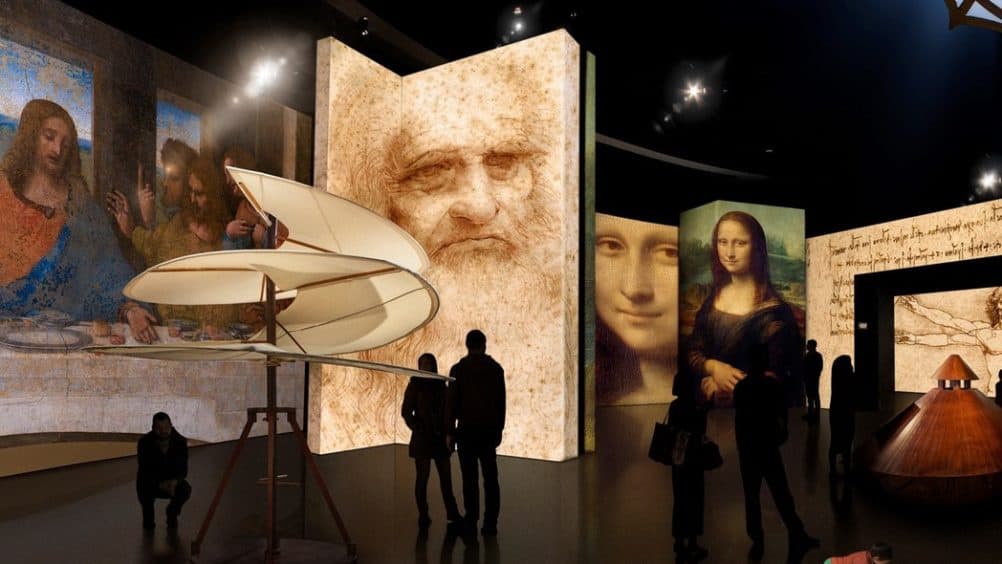
Art as an asset involves personal meaning, artistic relevance and care for the work. Buying solely in expectation of appreciation overlooks the experience of living with a piece and the particular characteristics of its market.
A consistent collection is built through knowledge and choices that make sense to the person who will preserve it.

Look at the work and its history
Related reading: Miró: an encounter and a gift I will treasure; Houses conceived as one-of-a-kind works; Art at home: when architecture, collections and location shape a purchase.
Exhibitions, institutional recognition and the artist's wider production help establish context. The piece's place within that career matters too: works by the same artist may have different characteristics and areas of interest.
In São Paulo, museums, galleries, fairs and auction houses expand opportunities to encounter artistic languages and artists. That knowledge helps develop personal criteria.
Provenance and conservation
Purchase documents, certificates and records of origin contribute to a work's assessment. Authenticity and condition deserve specialist evaluation, particularly for higher-value purchases.
Light, humidity, temperature and transport can affect materials. Keeping information about authorship, medium, dimensions and condition helps with ongoing care and future assessments.
Cultural value is not a promise of returns
Price and resale prospects depend on demand, context and the conditions of a transaction. A work may take time to find a buyer; transport, insurance, conservation and commissions also contribute to costs.
An asset-related decision therefore calls for individual analysis beyond personal taste. There is no guarantee of appreciation or liquidity.
In the relationship between art and architecture, a home takes on another dimension: accommodating objects that hold choices and stories. This meeting of knowledge, space and lasting presence forms part of Acervo Exclusivo's perspective.
An English edition of original Acervo Exclusivo content. Read the Portuguese original.